
Floris Jespers: A Life in Colour and Form
From the Antwerp avant-garde to the Congolese highlands, the life of Floris Jespers (1889-1965) was a relentless artistic journey of discovery. Characterised by a rare stylistic versatility, a deep cultural curiosity, and a search for universal themes like vitality and dignity, he is one of the key figures of Belgian modernism.

Biographical timeline
1889–1918: A Budding Talent in the Avant-Garde
1920–1930: A Flemish Modernist at the Intersection of Movements
1930–1945: From Construction to Contemplation
1950–1960: Where Encounter Became Art
1960–1965: The Freedom of Painting
1889-1918: A Budding Talent in the Avant-Garde
Floris Emiel Egidius Jespers was born on 18 March 1889 in Antwerp, into a family where art had an central place. As the son of sculptor Emiel Jespers and younger brother of the highly gifted sculptor Oscar Jespers, his talent was moulded from an early age. By the age of eleven, he was already enrolled at the Antwerp Academy of Fine Arts.
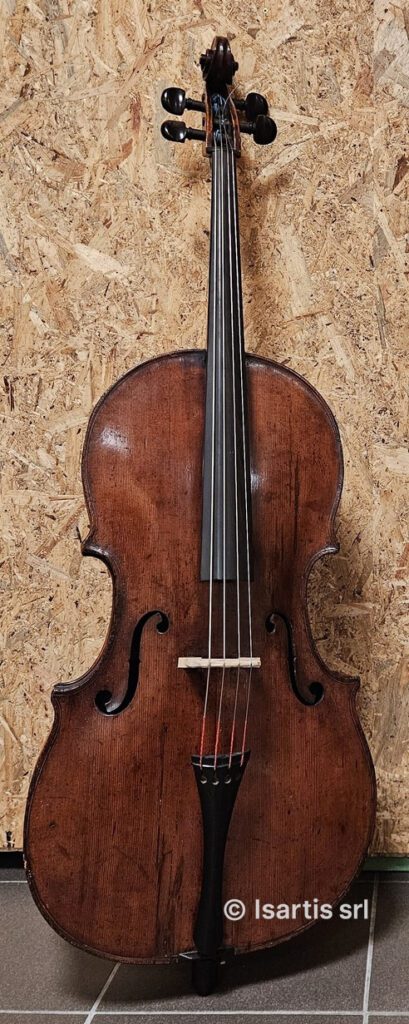
Parallel to his training as a painter, he developed another great talent: the cello. Until he was thirty, he would earn his living as a professional musician, playing in orchestras and accompanying silent films. This deep-rooted connection to music would have a lasting influence on the rhythm and composition of his later visual work.
As a painter, he debuted in 1911 with impressionistic works, inspired by artists like Rik Wouters and James Ensor. The decisive encounter during this period, however, was with the poet Paul van Ostaijen. Together, they delved into the European avant-garde and studied the new art movements. Inspired by Cubism, the ideas of Kandinsky, and the German Expressionists, Jespers created his first Fauvist, Cubist, and Expressionist compositions with great facility.
Friendship as a Driving Force
The decisive encounter during this period was with the poet Paul van Ostaijen. Their friendship became the intellectual engine of the Antwerp avant-garde. They studied the new European art movements together, from Cubism to Expressionism, which fuelled Jespers' rapid and versatile development as a modernist.

1920-1930: A Flemish Modernist at the Intersection of Movements
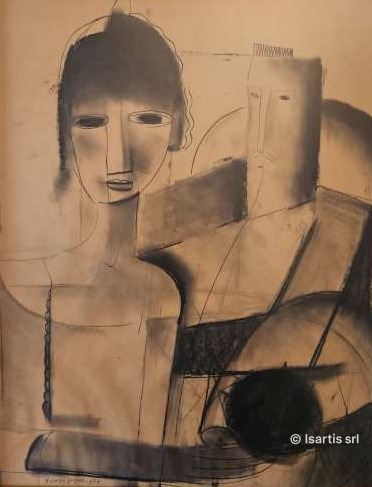
After a stay in the Netherlands during the First World War, where he came into contact with figures like Theo van Doesburg, Jespers settled in Antwerp again. There, along with Van Ostaijen and his brother Oscar, he emerged as a key figure in the Flemish modernist art world. His work from the 1920s shows a very personal blend of Expressionism and Cubism, with a focus on female figures, still lifes, and critical interpretations of city life.
The House Illustrator of the Avant-Garde
"In the 1920s, Jespers was the 'house illustrator' of the Flemish avant-garde. His powerful, graphic work featured prominently in the most important modernist magazines such as Ça Ira, Ruimte and Variétés, often alongside texts by his friend, the poet Paul van Ostaijen, and in the context of work by the Dadaist artist Paul Joostens. His work was not merely decoration; it was the visual heartbeat of the renewal."

Through the influential Brussels galleries Sélection and Le Centaure he was in direct contact with the most important figures of the Belgian art scene. During this period of intense artistic exchange, he also perfected the extremely demanding technique of reverse glass painting, églomisé, with which he gained rare fame and confirmed his versatility as an artist. Discover more about his unique techniques on the page ‘Jespers’ Art'.
1930-1945: From Construction to Contemplation
The economic crisis of the 1930s and a changing zeitgeist brought about a shift in his work. Jespers retreated more often to nature, among other in Knokke, and his art evolved into a quieter, more contemplative visual language focused on nature and humanity. The sharp geometry of Cubism gave way to a more fluid line and a more harmonious use of colour. The female figures from this period are often elegant, timeless, and have a symbolic, almost mythical undertone.
The Contemplative Turning Point
The economic crisis and a changing zeitgeist caused a shift. Jespers' work became calmer and more contemplative, focused on nature and man. In masterpieces such as 'The Annunciation' and 'Saint Francis', he sought a deep, 'earthly spirituality'. This crucial period forms the indispensable thematic and stylistic bridge to his later, famous African oeuvre.
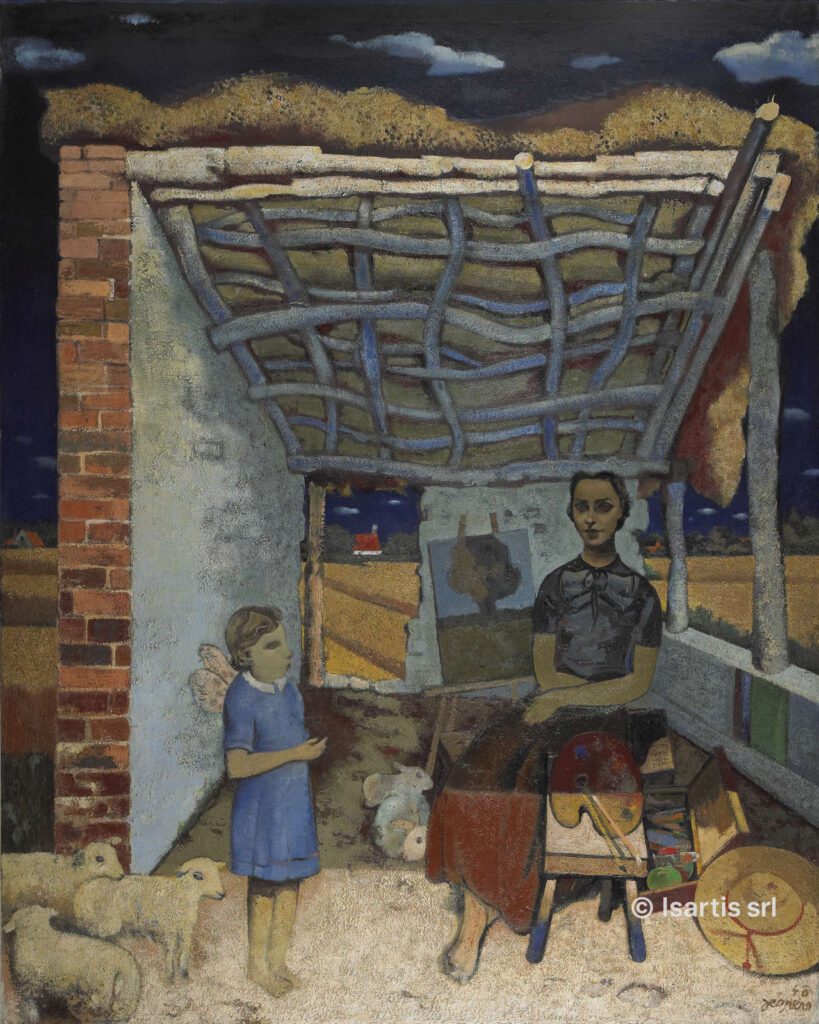
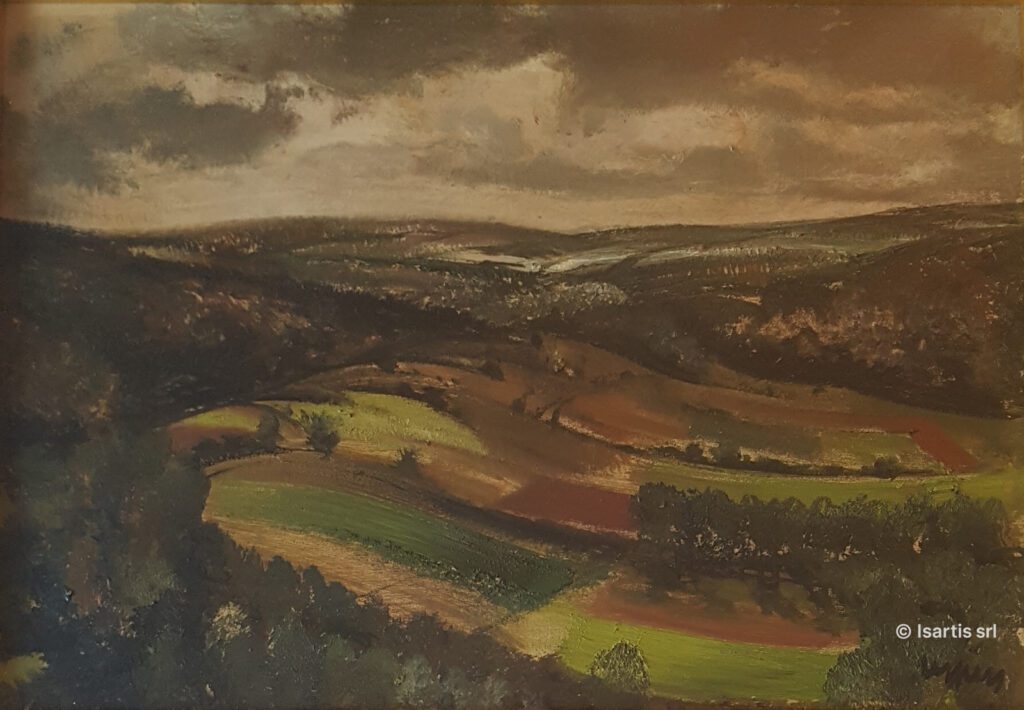
Although his non-conformist character, driven by an urge for uncompromising artistic innovation, sometimes isolated him within the Belgian art scene, his international reputation remained undisputed. He received commissions for the world exhibitions in Brussels (1935), Paris (1937), and New York (1939) and was praised by Pablo Picasso, who called him and his brother "des grands artistes". During the Second World War, he sought the tranquillity of the Ardennes, which resulted in subdued, earthy works that exude a sense of seclusion and introspection.
1950-1960: Where Encounter Became Art
Around the age of fifty-five, Jespers seemed artistically burnt out. A new, decisive phase began with his three journeys to the Belgian Congo between 1951 and 1957. This encounter with African culture was a revelation that renewed his artistry.
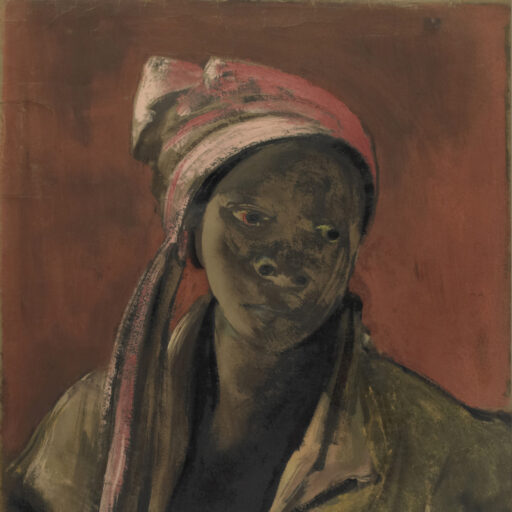
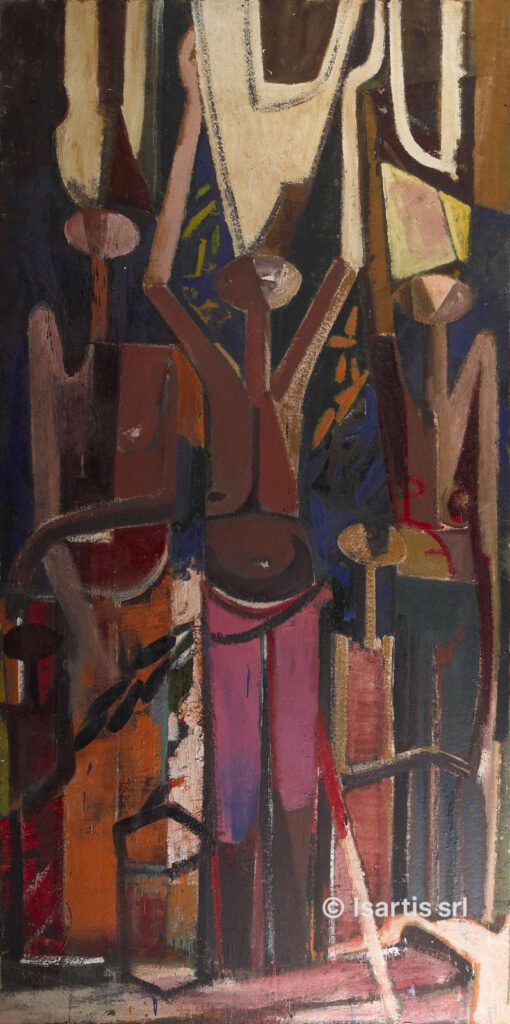
This resulted in his famous African period, during which his work became more personal and purer than ever. He developed a unique, stylised visual language in which he tried to capture the essence of African civilisation. The monumental, stately female figures in these works are not exotic motifs, but representations of a deeper cultural structure.
However, his art during this period cannot be viewed separately from its complex historical context. Read more about Jespers' work in colonial Congo here.
His African adventure culminated in a commission from the Ministry of Colonies for a monumental work for Expo '58 in Brussels.
1960-1965: The Freedom of Painting
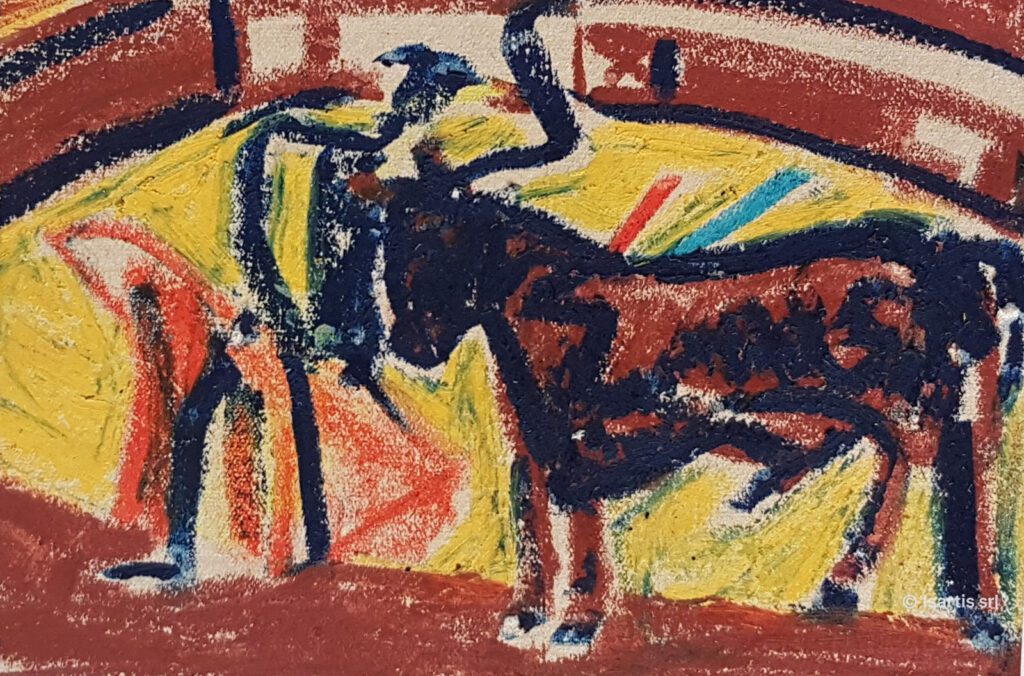
In the final years of his life, Jespers broke free from fixed themes and stylistic boundaries. Inspired by a long stay in Spain, he experimented freely with forms and colours in a style of painting that became increasingly intuitive. These final works are very intimate, in which his personal life and the pictorial merge into an art of absolute freedom. Floris Jespers died on 16 April 1965 in the arms of his wife Olympe and was buried in the honorary park of the Schoonselhof cemetery in Antwerp.

He once summarised his lifelong search in an open letter:
"... but want only to give that which is essential,
that which is abstract..."